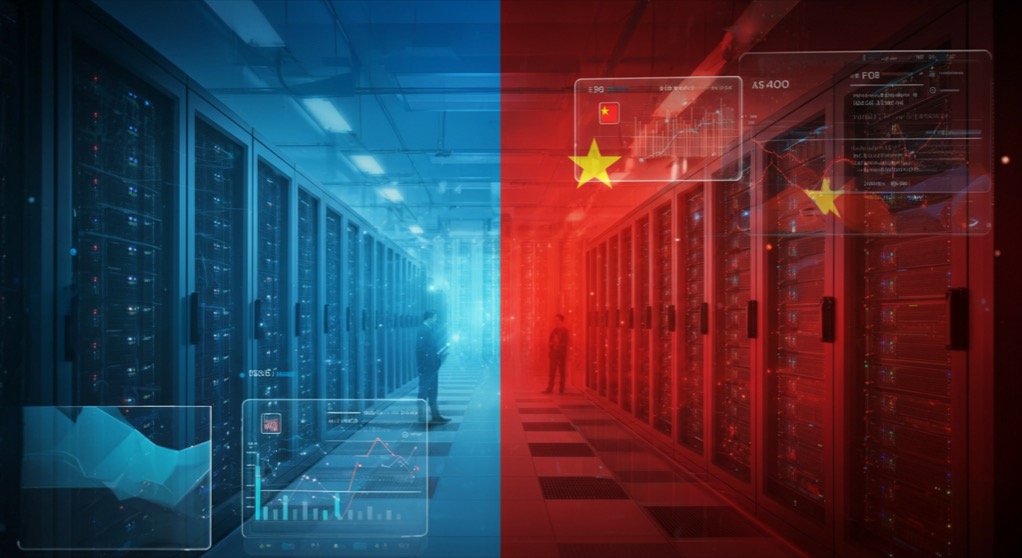
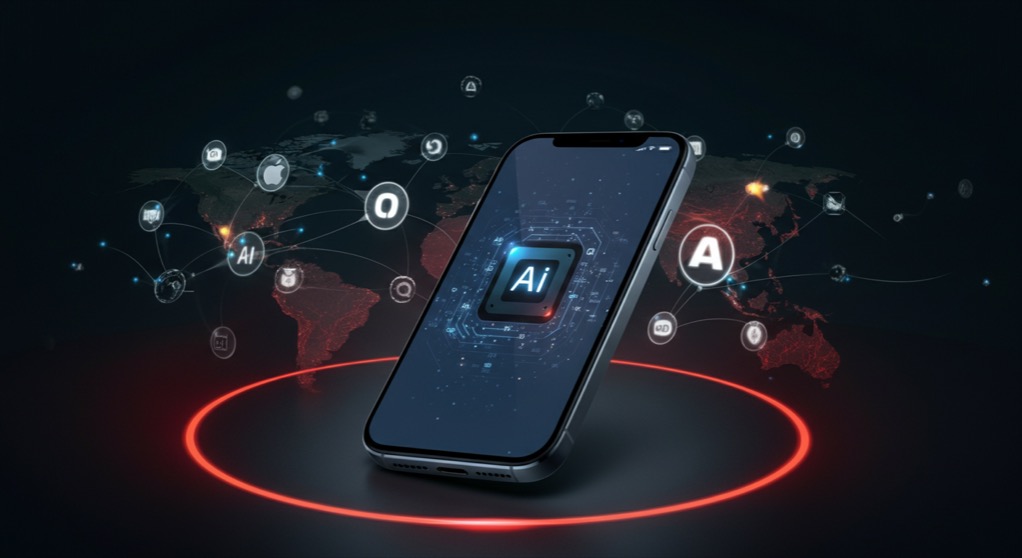
Apple has received regulatory approval to launch Apple Intelligence in China, partnering with Alibaba's Qwen AI model and Baidu to bring its AI features to approximately 500 million iPhone users. The approval, confirmed by Bloomberg, TechCrunch, and Engadget, ends a months-long delay that locked the world's largest smartphone market out of Apple's AI ecosystem. For founders building AI products, this deal is not just about Apple. It is a signal that China's AI regulatory model is now a de facto gatekeeper for one of the world's most valuable consumer markets.
The partnership structure is notable. Alibaba's Qwen model family serves as the primary AI partner, handling the heavy lifting for features like the new Siri AI, Writing Tools, and Image Playground. Baidu handles certain on-device processing. Alibaba Cloud provides the backend infrastructure. This tripartite arrangement with two US-blacklisted companies adds geopolitical complexity that US-based AI startups cannot ignore.
The Regulatory Bottleneck That Unlocked
China's generative AI regulations require foreign companies to partner with local firms and submit their AI systems to safety reviews before launch. Apple had been stuck in this process since Apple Intelligence debuted globally with iOS 27 weeks ago. The delay was not technical. Apple's AI features were ready. The bottleneck was entirely regulatory: China's Cyberspace Administration needed to verify that Apple's AI complied with the country's content safety laws, which require AI systems to align with socialist core values and avoid generating politically sensitive content.
Apple's path through this bottleneck sets a template. By partnering with Alibaba and Baidu, Apple effectively outsourced compliance to two companies that already operate within China's regulatory framework. Alibaba's Qwen model has already passed China's AI safety reviews for its own products. Apple piggybacked on that existing approval rather than seeking fresh certification for its own models.
This is a blueprint any foreign AI company can follow. If you want to serve the Chinese market, the fastest path is partnering with an already-approved Chinese model provider rather than certifying your own model from scratch.
Alibaba Qwen: Validated as a Global AI Platform
The choice of Alibaba's Qwen as Apple's primary AI partner is the biggest validation yet for Chinese AI models. Qwen is a large language model family from Alibaba's Cloud Intelligence division, and it has competed largely in domestic Chinese markets against Baidu's Ernie and ByteDance's Doubao. Apple's selection lifts Qwen onto a global stage alongside the model partners used by smartphone makers in other regions.
The implications are significant for the AI model market. Qwen is now effectively the default AI model for 500 million iPhone users in China. That distribution advantage is enormous. Any developer building on Qwen now has a built-in path to those users. The partnership also signals that Chinese AI models are competitive enough for a global flagship product. For founders evaluating model providers, Qwen is no longer a purely domestic option. It is now a globally deployed platform backed by the most valuable company in the world.
This deal also puts pressure on Baidu. While Baidu secured an on-device processing role, Alibaba's Qwen got the primary partnership. Baidu had been considered the frontrunner given its early AI investments and deep government relationships. Alibaba's win suggests that model quality and cloud infrastructure mattered more than political connections in Apple's decision.
What This Means for AI Founders Outside China
For US and European AI founders, the Apple-China deal carries three lessons. First, the Chinese market is accessible through partnership, not through direct competition. OpenAI, Anthropic, and Google have all tried to serve Chinese users indirectly. Apple just showed that the real path is a local partnership with a Chinese model provider. Second, Apple chose Chinese models over its own or US partners. Apple has its own on-device models and could have pushed for a US model partnership. It did not. That choice signals that local AI partnerships are non-negotiable for the China market, and that US model providers cannot expect to serve Chinese users through US companies alone.
Third, the deal accelerates the fragmentation of the global AI market. Apple Intelligence works with different models in different regions: Apple's own models in the US and Europe, Qwen and Baidu in China. This is the future. Founders building AI products should plan for a world where model selection is a regional decision, not a global one. Your model provider in San Francisco may not be your model provider in Shanghai.
The Geopolitical Undercurrent
Alibaba and Baidu are both on the US Department of Defense's list of Chinese military companies, a designation that restricts American entities from doing business with them. Apple, an American company, is now in a direct commercial partnership with two US-blacklisted companies. This creates legal and reputational risk. The Trump administration has not commented on the deal, but the arrangement tests the boundaries of US sanctions on Chinese technology companies.
For founders, this creates a compliance headache. If your AI product uses Alibaba Cloud or Qwen models through Apple's ecosystem, are you indirectly doing business with a blacklisted entity? The legal answer is unclear. The practical answer is that Apple's legal team has likely vetted this arrangement thoroughly, and smaller companies may not have the same resources to navigate these gray areas. Founders building AI products with international ambitions need a compliance strategy that accounts for US sanctions, Chinese AI regulations, and the overlap between the two.
China approved the service under its generative AI regulations requiring safety reviews. The launch comes weeks after Apple Intelligence debuted globally with iOS 27. For Apple, the China approval unlocks a market that generates roughly 20 percent of its revenue, making it the company's third-largest market after the US and Europe. The 500 million iPhone users in China have been locked out of Siri AI, Writing Tools, and Image Playground entirely. That changes now.
For founders, the message is clear. The era of a single global AI model is over. Regional partnerships, local compliance, and multi-model strategies are now table stakes. The question is not whether you will need to partner with a Chinese AI company. The question is which one, and on what terms.