
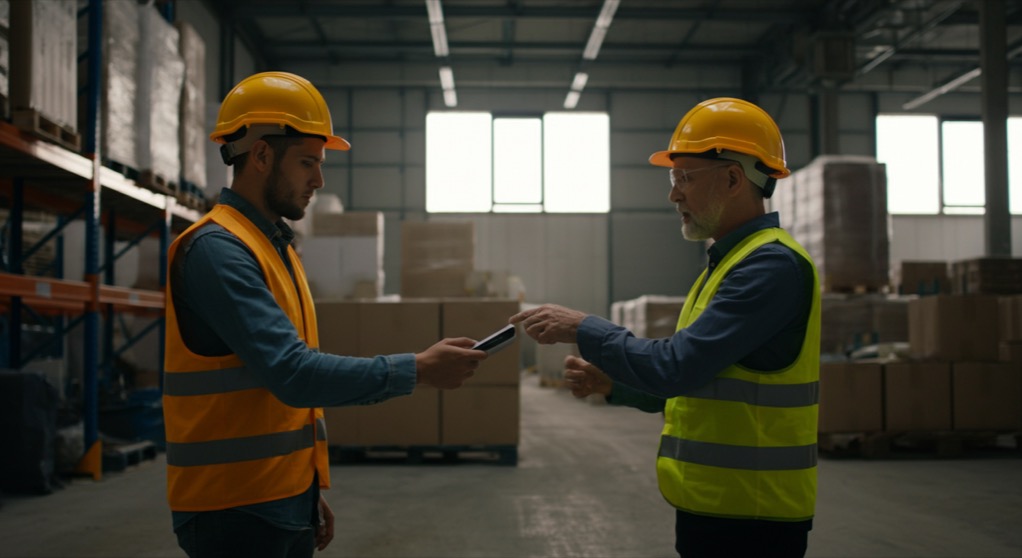
InstaLILY has raised $60 million in Series B funding to expand its AI deployment platform into construction and logistics, two of the largest industries that have largely resisted enterprise software modernization. The round, which closed in July 2026, backs a thesis that AI agents can automate operational workflows in physical environments, not just digital ones. Alongside the funding, the company launched Lily, an AI forward deployed engineer that works alongside human teams to manage construction site logistics, supply chain coordination, and fleet operations in real time. For founders building AI for traditionally tech-averse industries, this is the signal they have been waiting for.
Why Construction and Logistics Matter for Enterprise AI
Construction and logistics represent a combined market worth trillions of dollars globally, yet they remain among the least digitized sectors in the economy. A typical construction site runs on printed blueprints, whiteboard schedules, radio communication, and paper punch lists. Logistics warehouses operate on a patchwork of legacy warehouse management systems, manual data entry, and tribal knowledge passed between shift supervisors. InstaLILY's bet is that AI agents can bridge the gap between the physical world and digital operations without requiring a complete infrastructure overhaul. Instead of asking construction firms to rip out their existing systems, InstaLILY deploys AI agents that plug into current workflows. The agents ingest real-time data from drones, IoT sensors, GPS trackers, and project management tools, then surface actionable decisions to human teams. Lily, the newly launched forward deployed engineer, is the first product designed specifically for this environment. It tracks material deliveries, predicts schedule delays based on weather and supplier data, and automatically reallocates crew assignments when timelines shift. In logistics, similar agents monitor warehouse throughput, optimize docking schedules, and flag inventory discrepancies before they become costly errors.
How Lily Works Alongside Human Teams
Lily is not designed to replace human workers. It is designed to amplify them. On a construction site, Lily processes data from multiple sources simultaneously, something no human can do at scale. It cross-references delivery truck ETA against crane availability, concrete curing time, and weather forecasts to recommend optimal pour schedules. It flags when materials on site do not match the order manifest and automatically triggers a reorder before the shortage causes a work stoppage. For logistics operators, Lily monitors real-time throughput across warehouse zones. When a bottleneck emerges, it suggests rerouting staff or adjusting shift schedules. It learns from historical patterns to predict peak demand periods and pre-positions inventory accordingly. The key insight is that physical industries do not need more dashboards. They need agents that act on data and communicate decisions to people in the field. Lily sends push notifications, text summaries, and voice briefings rather than requiring workers to check a screen. This design choice matters because construction foremen and warehouse supervisors rarely sit at a desk. They are on the move, and the AI must meet them where they work.
What This Means for Founders Building AI for Traditional Industries
InstaLILY's $60 million Series B is more than a company milestone. It is a validation event for an entire category of AI startups targeting industries that software companies have historically ignored. The thesis is simple: the biggest enterprise AI opportunities are not in optimizing SaaS workflows that are already digitized. They are in physical operations where most processes still run on paper, phone calls, and gut instinct. The total addressable market for AI in construction alone is estimated at over $20 billion annually, according to industry research. Logistics adds tens of billions more. These industries are massive, fragmented, and starved for technology that actually works in their environment. The barrier to entry is not technical sophistication. It is willingness to build products that integrate with how these industries actually operate, not how Silicon Valley thinks they should operate. Founders who can solve this integration problem will find themselves in a market with far less competition than crowded verticals like AI customer support or AI code generation. Early evidence suggests the demand is real. A McKinsey survey from early 2026 found that 43 percent of construction executives plan to increase AI investment in the next 12 months, up from 18 percent in 2024. Logistics firms report similar acceleration, driven by labor shortages and margin pressure. InstaLILY is capturing this demand with a platform that lets enterprises deploy AI agents in days rather than months, a speed advantage that matters in an industry where implementation time is the most common objection to new technology.
The Bigger Picture: AI Agents Are Moving Into the Physical World
InstaLILY's raise fits a larger pattern that is reshaping enterprise AI investment. Over the past six months, venture capital has increasingly flowed toward startups that deploy AI in physical environments, not just digital ones. Companies building AI for manufacturing, supply chain, energy, and construction have collectively raised over $4 billion since January 2026. This shift reflects a growing recognition that the low-hanging fruit of AI, automating customer service, generating marketing copy, and summarizing documents, is already being harvested. The next wave of value creation will come from industries where AI can change how physical work gets done. For founders, the lesson is clear. The enterprises with the biggest budgets and the most painful operational problems are not in SaaS. They are in construction, logistics, manufacturing, and energy. These industries are ready for AI, but they need products designed for their workflows, not adapted from tools built for knowledge workers. InstaLILY's $60 million bet on Lily and its deployment platform suggests that the startups who figure out how to serve physical industries will be among the most valuable companies of the next decade.