
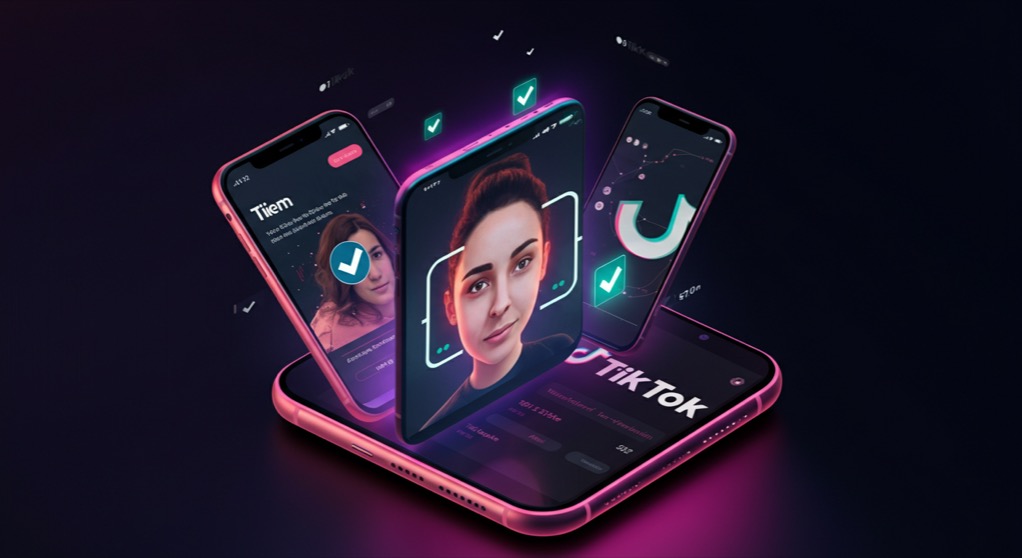
More than 170 million Americans use TikTok every month. How many of their faces have been cloned by AI without their consent? TikTok is betting that number is already too high, and it is deploying a new AI-powered detection system to find out.
The platform is testing an opt-in AI likeness detection tool that scans for unauthorized AI-generated versions of creators and allows them to report infringing content directly to the company. TikTok US spokesperson Zachary Kizer confirmed to The Verge that the tool is initially being piloted with a subset of US creators. The move positions TikTok alongside YouTube, which recently expanded its own likeness detection tool to all adult users globally.
The significance extends well beyond TikTok. For founders building AI platforms or consumer-facing products with generative AI features, this tool signals a fundamental shift in platform expectations: the era of reactive takedown requests is giving way to proactive AI-powered detection as the new baseline for responsible AI governance.
How the Identity Verification Layer Works
Before a creator can access the detection system, they must prove who they are. TikTok has partnered with Jumio, an identity verification provider, to handle this step. The process requires a real-time selfie scan and an ID document check.
Kizer emphasized the privacy safeguards: TikTok does not retain ID documents, and facial information is used exclusively for likeness matching and identifying potential unauthorized uses of a creator's likeness. This privacy-first architecture is significant because it separates the identity verification layer from the detection layer, preventing TikTok from storing sensitive biometric data longer than necessary.
For founders building AI products that handle personal data, this three-part architecture (verify, detect, report) offers a template. The verification step is isolated from the detection step, and neither stores permanent copies of the input data. This pattern is becoming the gold standard for privacy-conscious AI systems and is worth studying for any startup building in the AI safety space.
What Happens After Verification
Once a creator passes identity verification, TikTok's system begins scanning for AI-generated content that may use the creator's likeness. The company has not disclosed the specific detection technology, but the approach mirrors techniques used across the industry: face matching against known deepfake patterns, metadata analysis, and behavioral signals from the content itself.
When the system flags potential matches, the creator receives a review panel where they can examine what TikTok found. From there, they can report unauthorized posts and accounts for removal. This workflow gives creators control over the process rather than relying solely on automated enforcement, which can produce false positives.
The creator-in-the-loop design is notable. Rather than automatically removing flagged content, TikTok gives creators the final say on what constitutes an unauthorized use of their likeness. This reduces the risk of over-removal of legitimate content while still providing a powerful detection capability. It is a considered balance between automation and human judgment, and it is one that AI platform builders should study closely.
The Platform Arms Race Heats Up
TikTok's announcement does not exist in a vacuum. YouTube expanded its own likeness detection tool to all adult users just weeks earlier. Both platforms are reacting to the same reality: deepfake content has become too widespread for manual reporting to keep up.
The Tech Transparency Project recently documented dozens of AI-powered nudify apps operating in major app stores, and San Francisco became the first US city to directly order Apple and Google to remove such applications. The broader regulatory environment is shifting. California's 2025 law allowing civil actions against third-party facilitators of non-consensual deepfake pornography created a legal framework that platform operators must now navigate.
For platform builders, the implication is clear. Reactive moderation (responding to user reports) is no longer sufficient. Proactive detection (scanning for harmful content before anyone reports it) is becoming the expected standard, and platforms that fail to implement it face legal exposure under the expanding deepfake liability framework.
Key Lessons for Founders
Three takeaways emerge from TikTok's approach that apply directly to founders building AI products:
Proactive detection is the new baseline. If your platform hosts user-generated content or AI-generated media, you need scanning infrastructure that identifies unauthorized likenesses or harmful content before it spreads. Waiting for takedown requests exposes you to the same legal and reputational risks that regulators are now targeting.
Privacy-first architecture is a competitive advantage. TikTok's decision not to retain ID documents and to limit facial data to likeness matching reflects a design philosophy that builds user trust. Founders should design their AI systems to minimize data retention and clearly separate verification from detection layers.
Creator-in-the-loop workflows reduce enforcement risk. Giving users the final review decision before taking action on flagged content reduces false positives and builds legitimacy into the moderation process. This human-in-the-loop pattern is applicable across AI moderation use cases, from content filtering to fraud detection.
The arms race between AI generation and AI detection is accelerating rapidly. Platforms are now the battleground, and the winners will be those that build detection infrastructure that is both effective and respectful of user privacy. TikTok's approach offers a blueprint worth watching.