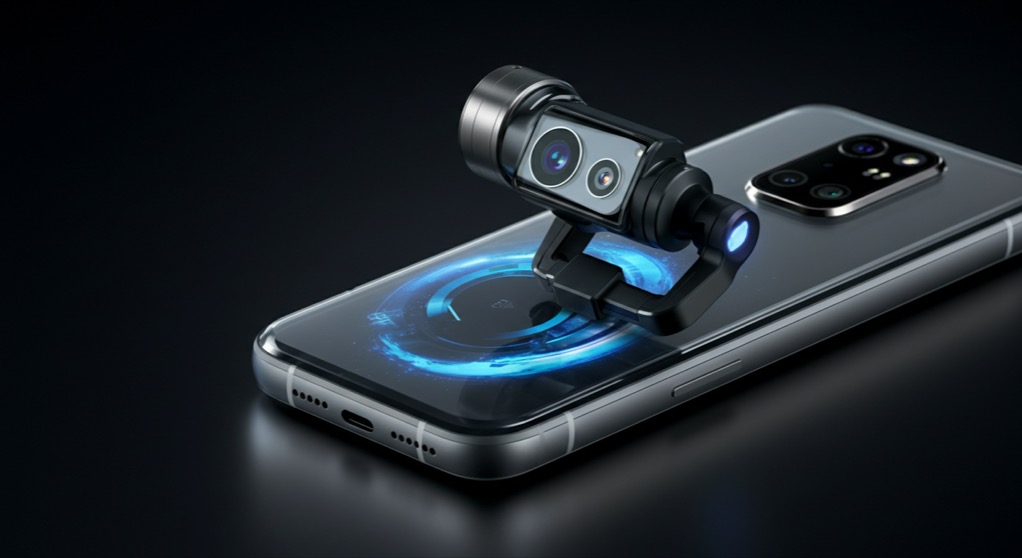
What happens when a smartphone manufacturer decides that on-device AI features are not enough, and builds a literal robot into the phone? The answer is the Honor Robot Phone, which opened for pre-orders in China on July 18, 2026. The device features a 200MP robotic gimbal camera mounted on a mechanical arm that can autonomously track subjects, stabilize video beyond what any software-based stabilization can achieve, and reposition itself for optimal framing. It is the most ambitious consumer hardware AI integration of the year, and it signals a strategic bet from Honor that physical AI differentiation will matter more than software AI features in the next phase of the smartphone wars.
The device went through an unusually long gestation period. Teased since late 2025, showcased at MWC Barcelona in March 2026, and the subject of leaked hands-on videos throughout early summer, the Robot Phone has generated sustained curiosity precisely because it is doing something genuinely different. While Apple, Samsung, and Google are competing on on-device LLMs, AI photo editing suites, and context-aware assistants, Honor has bet on a physical mechanism that users can see and feel. The robotic camera gimbal is not a software feature hidden in a settings menu. It is a moving part that visibly tracks a subject across a room, and that tangibility may be its strongest selling point.
The Robotic Camera System: How It Works
The centerpiece of the Robot Phone is a 200MP camera sensor mounted on a miniaturized robotic gimbal. The gimbal provides mechanical stabilization across multiple axes, far exceeding the capabilities of software-based optical image stabilization found in conventional smartphones. When the user starts recording video, the AI-powered subject tracking system identifies the primary subject (a person, a pet, a moving object) and the robotic arm adjusts the camera position in real time to keep the subject centered and in focus.
The system uses on-device AI for scene recognition and subject tracking, meaning it does not need a cloud connection to operate. The AI model has been trained on millions of video frames to distinguish between primary subjects and background elements, predict movement trajectories, and adjust the gimbal position preemptively rather than reactively. This predictive tracking is the key differentiator: instead of chasing the subject after it moves, the system anticipates where the subject will be and repositions the camera before the movement completes.
For videographers and content creators, the implications are significant. A phone that can autonomously track a speaker walking across a stage, a child running in a park, or a dog chasing a ball eliminates the need for a separate gimbal accessory. The phone essentially replaces the gimbal market for mobile videography. The 200MP sensor also enables 8K video recording with the robotic stabilization active, which puts it in a category that only dedicated cinema cameras could previously occupy.
The mechanical arm itself is designed for durability. Honor has not released detailed cycle life specifications, but the engineering challenge of miniaturizing a multi-axis robotic gimbal into a phone form factor while maintaining reliability is substantial. The arm retracts flush into the phone body when not in use, protecting the mechanism and maintaining a conventional smartphone profile for daily use.
AI Features Beyond the Camera
While the robotic camera is the headline feature, the Robot Phone runs Honor's MagicOS with a full suite of on-device AI capabilities. Real-time translation works across messaging apps and voice calls. AI photo editing includes object removal, background replacement, and style transfer powered by on-device models. The context-aware assistant learns user routines and surfaces relevant information proactively, similar to Samsung's Galaxy AI and Apple's intelligence features.
The phone ships with a dedicated AI processor alongside the main SoC, likely a variant of the Qualcomm Snapdragon 8 Gen 5 or MediaTek Dimensity 9400, both of which include dedicated neural processing units. The on-device AI models run locally, and Honor has emphasized privacy-focused AI processing in its marketing materials, positioning the phone as a device that delivers AI features without sending user data to the cloud.
Pre-orders opened in China on July 18 with global availability expected later in 2026. Pricing has been positioned to compete directly with Apple's iPhone 7e and Samsung's Galaxy S27 series, suggesting that Honor is not treating the Robot Phone as a niche experimental device but as a mainstream flagship contender.
What This Means for Founders
The Honor Robot Phone validates a thesis that has been circulating in hardware circles: consumer AI differentiation is moving from software features to hardware form factor innovation. The robotic camera is something you can demonstrate in a store window. A customer can see it move, watch it track a person, and understand the value proposition in seconds. That is dramatically different from explaining why on-device LLM inference matters for privacy or responsiveness.
For hardware founders building AI-integrated products, the Robot Phone offers three lessons. First, physical AI features create emotional buy-in that software features cannot match. A robotic camera creates a wow factor that survives the five-second attention span of a retail browsing experience. Second, the mechanical gimbal represents a moat that software competitors cannot easily copy. Samsung could clone Honor's AI photo editing suite in a software update. Building a reliable miniaturized robotic arm into a phone requires supply chain investment, precision manufacturing, and engineering talent that takes years to replicate.
Third, the Robot Phone signals that the smartphone market is not yet finished innovating on hardware. For years, the narrative has been that smartphones have peaked and the only remaining competition is on camera software and battery life. Honor's bet is the opposite: that hardware innovation can still drive consumer excitement and purchase decisions. If the Robot Phone succeeds, expect every major manufacturer to have a robotic camera phone in development within 12 months. If it fails, the lesson will be that physical AI novelty is not enough to overcome the inertia of the smartphone upgrade cycle. Either way, Honor has made the most interesting hardware bet in mobile since the folding phone.